Notice. Act. Teach. Sacrifice. Persist.

People like us do things like this.

Not because we believe we can save everyone. Because the person in front of us is someone.

Read the stories ↓

The choice

I could learn to walk past suffering. But only by killing the part of me that notices. And then I would no longer be me.
1 + 2 + 3 + 4 + 5 + 6 + 7 + 8 + 9 = 45
1 + 1 + 3 + 4 + 5 + 6 + 7 + 8 + 9 = 44

My students said one person could not change the world. I changed one number on the board. One small change altered the entire answer. Changing just one changes everything.

01 / THE LONG GAME

Danny, China

He thought he was too stupid to learn.

Danny failed the Zhong Kao, China’s high school entrance exam. His mother could not read. His father had completed sixth grade. Reaching ninth grade was already progress.

When we met three years later, Danny was eighteen, selling sugar cane on the street and earning about $1.25 a day. He became the first student in 1,000 Days to Educated.

Within a year, he learned English. Later he entered Miami Dade College and made the Dean’s List in both semesters of his first year. Then he left school, having finally learned the lesson beneath all the lessons: you do not have to attend school to keep learning. You do have to begin. And you cannot quit.

Today he is back in China, still learning, raising two children who are receiving the education he never had.

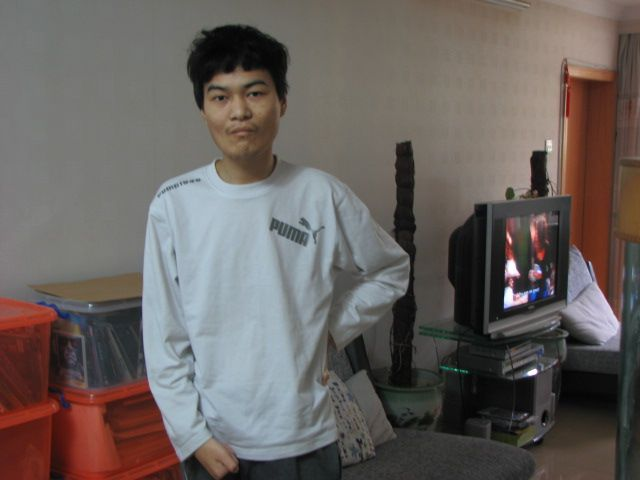
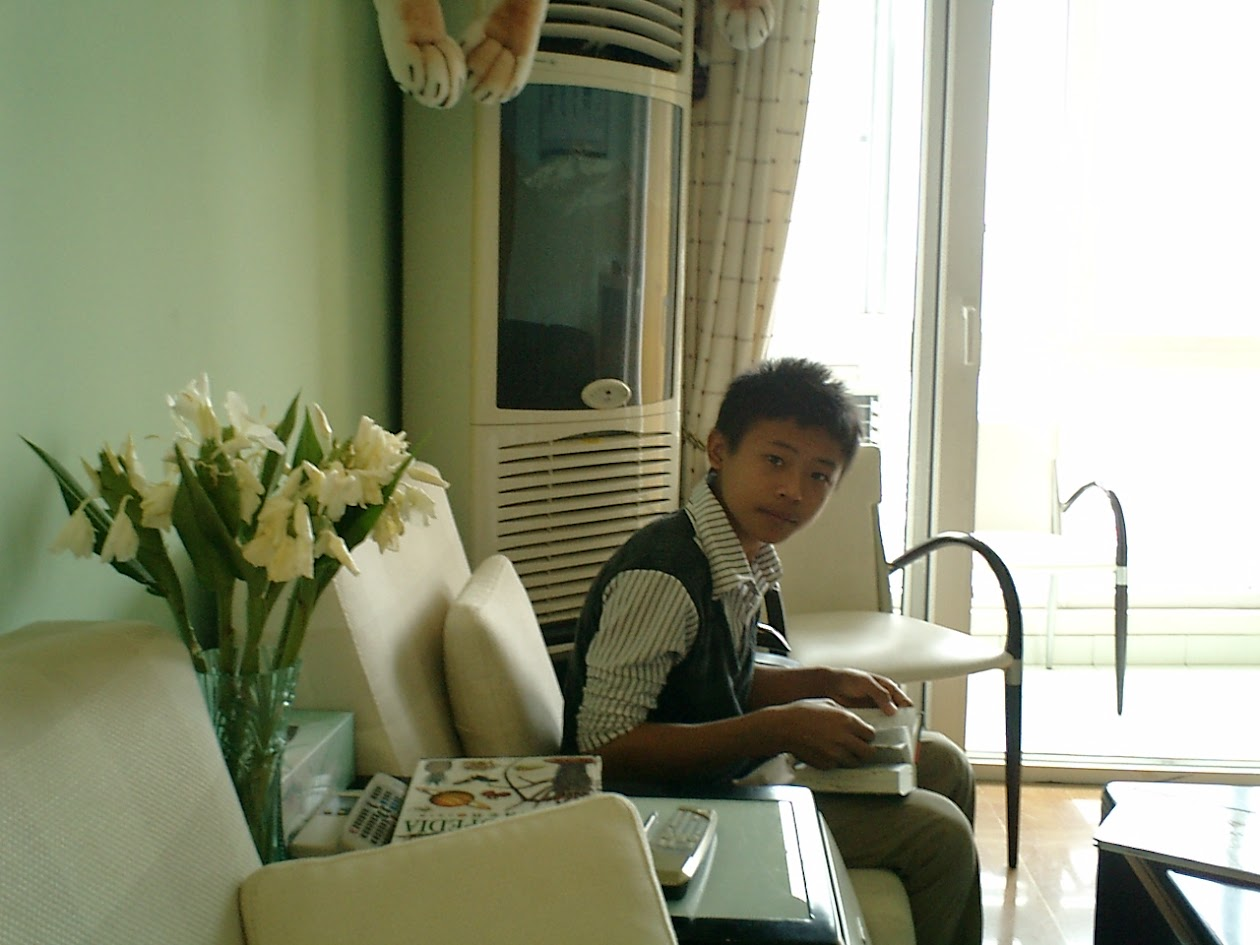
Danny at eighteen, seated in a bright living room
Danny at eighteen, newly arrived as the first student in 1,000 Days to Educated.
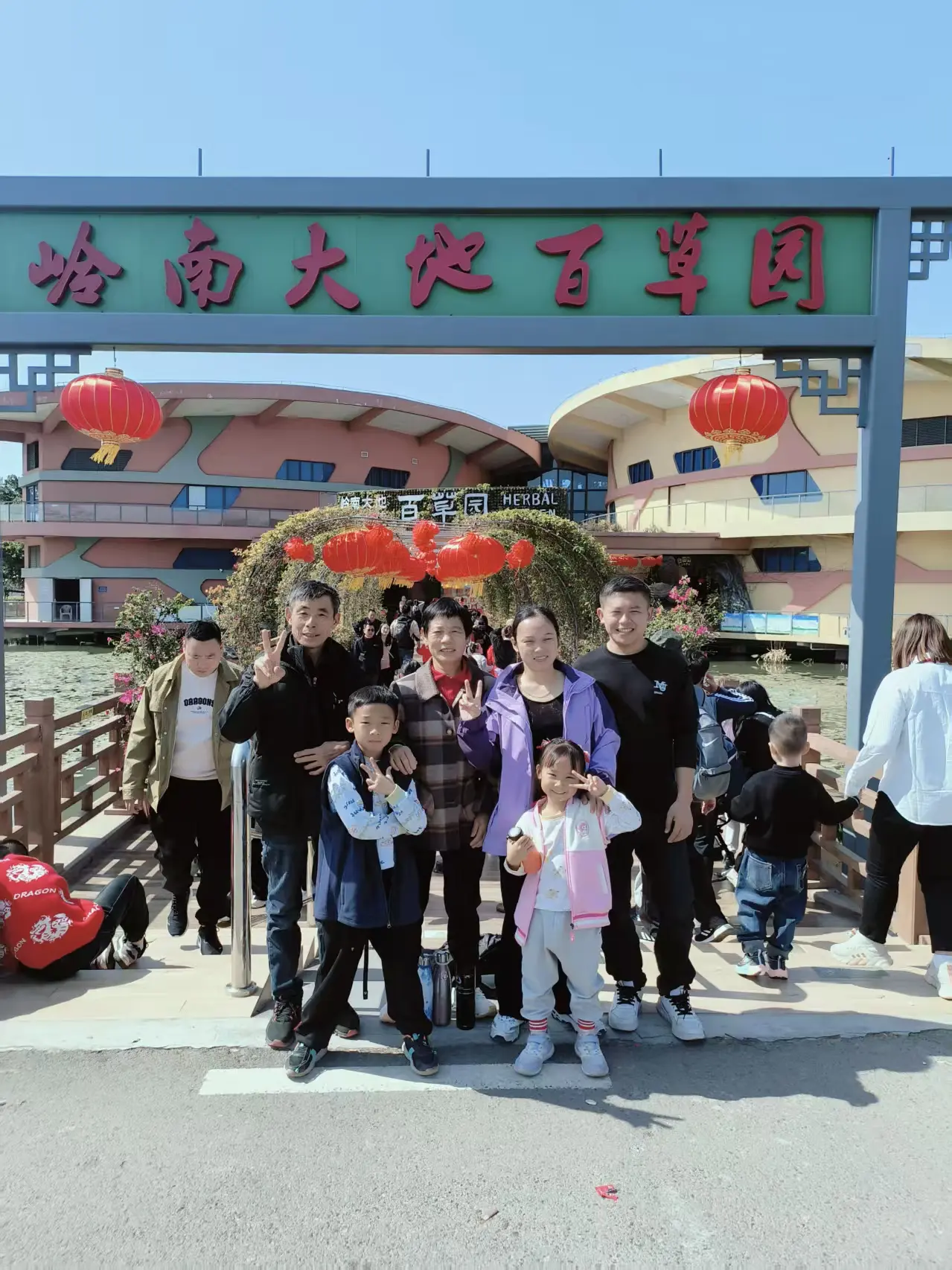
Danny with his parents, wife, and children
Danny with his parents, his wife, and his children. The long game, in one photograph.
Danny’s real success is not where he landed. It is where his children started.
02 / TO SEE

Greg, China

He was going blind, and still working.

I met Greg on July 30, 2007, my birthday. He was outside digging through garbage cans, collecting plastic bottles. He had lost his job because cataracts were taking his sight, though he did not know what to call them. He only knew he was going blind.

He was not begging. He was not stealing. He was doing the only work he still could. I brought him home. He cleaned himself up, and a few days later we began the medical visits that led to his surgery.

Paying for that surgery was my honor. Greg never asked for anything. He wanted to see so that he could work. Mission accomplished.

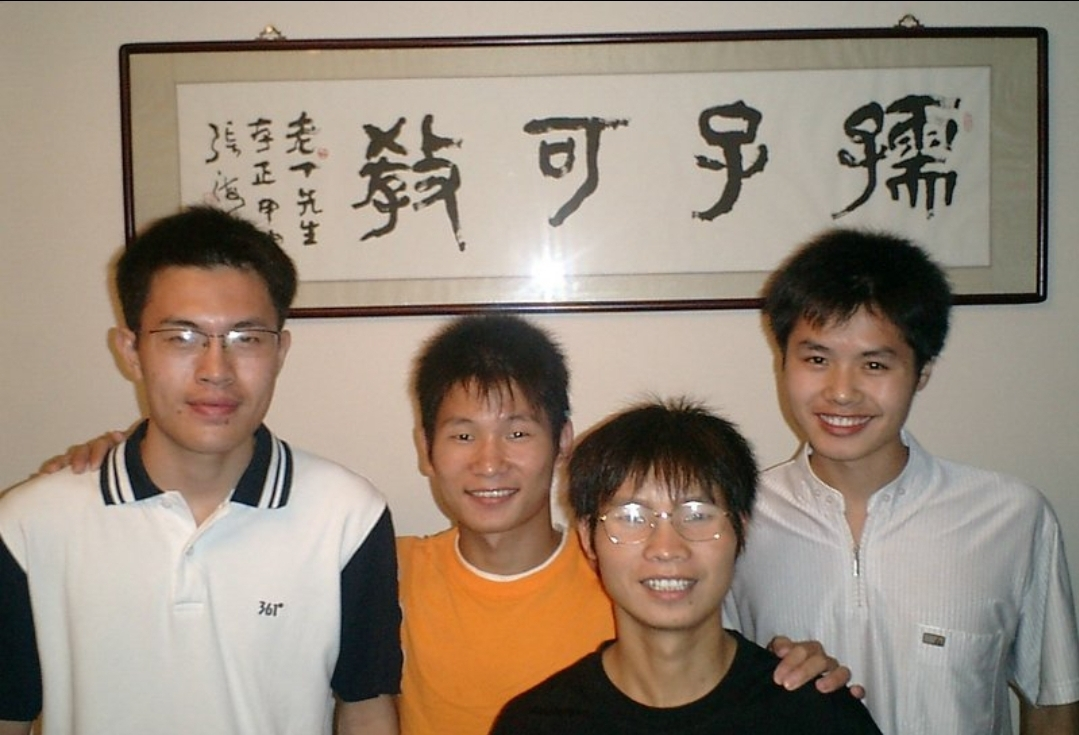
孺子可教“This young person can be taught.” Or, more simply, “This young person has promise.”
Greg seated in front wearing glasses, surrounded by three friends, beneath Chinese calligraphy
Greg is seated in front. The proverb on the wall was chosen deliberately.
A future can disappear quietly. Sometimes saving it begins with simply refusing to look away.
03 / PROOF

1,000 Days to Educated, Cambodia

They did not need to be told what they lacked.

They needed the chance to discover what they could do.

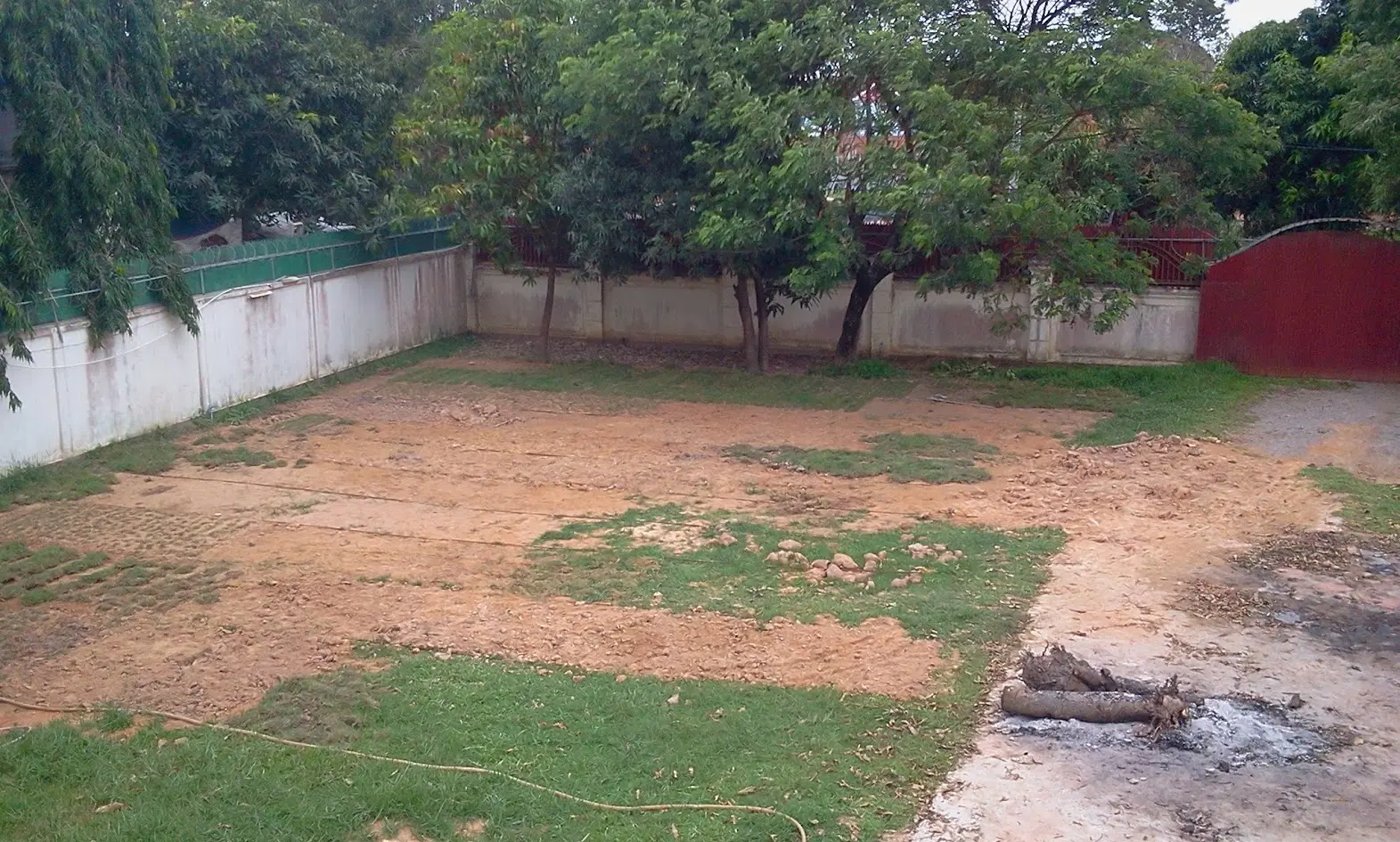
Bare and uneven ground before the Cambodian students built their soccer field
Before
The ground where the field would be built.
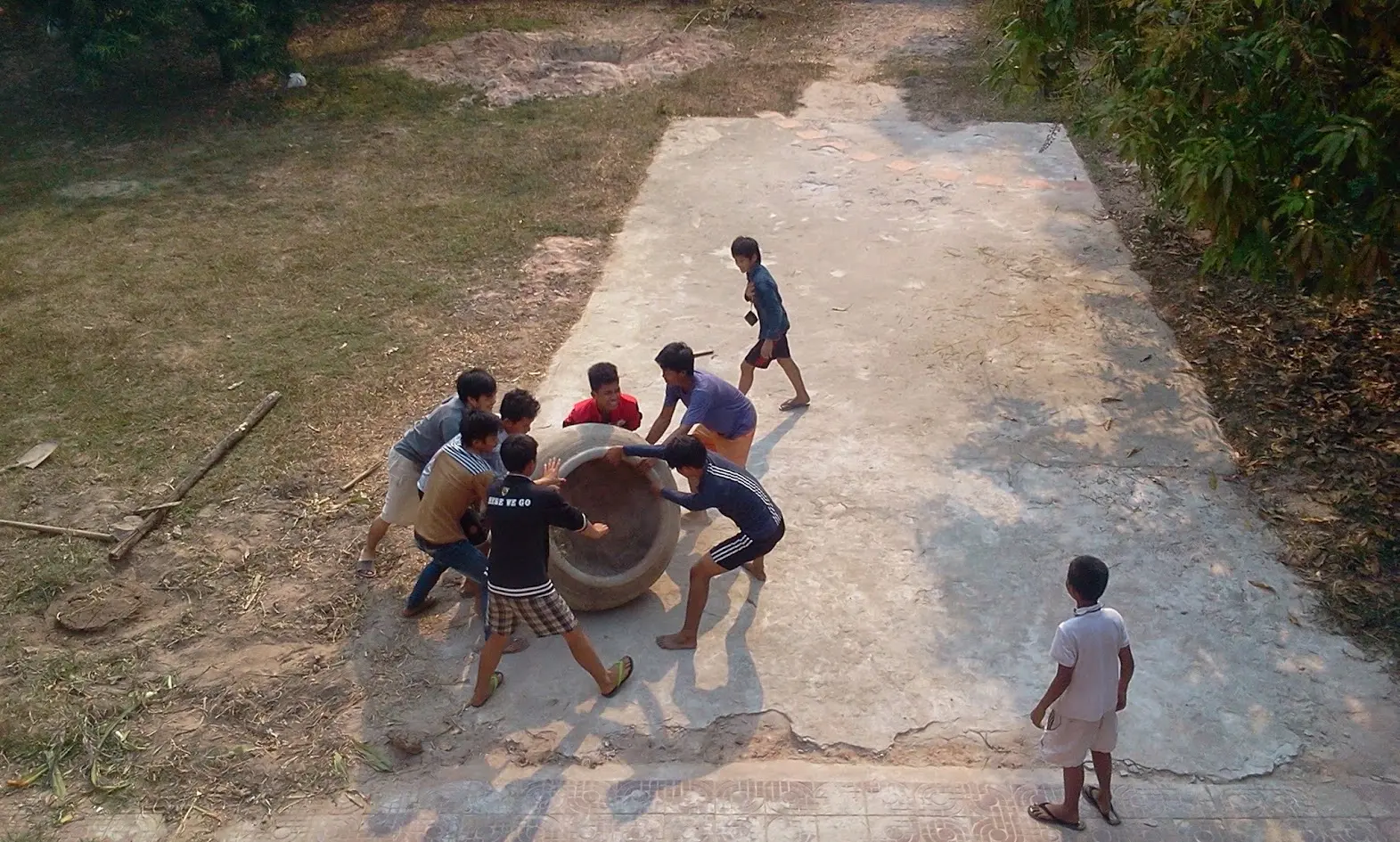
Cambodian students working together to move a heavy concrete roller across the future soccer field
Before
The boys moving the roller together.
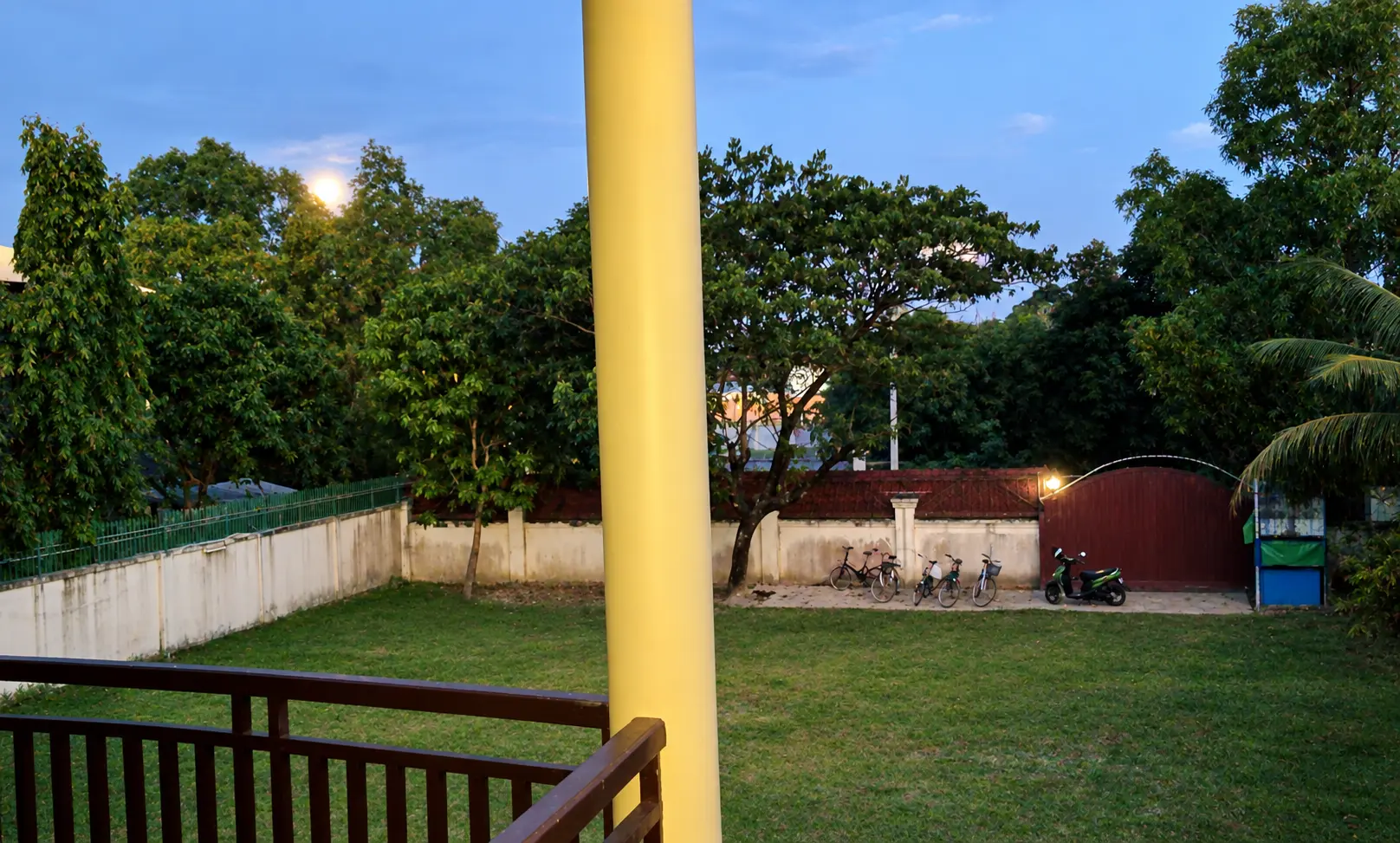
The finished green soccer field built by the Cambodian students
After
They built it.

“It will never work.”

At first, the boys thought the idea was crazy. The ground was rough, the work was enormous, and they were certain the result would be no good.

Then they built what we believed was the best soccer field in Cambodia. They did not merely inherit a better field. They made it. The real thing they built was proof.

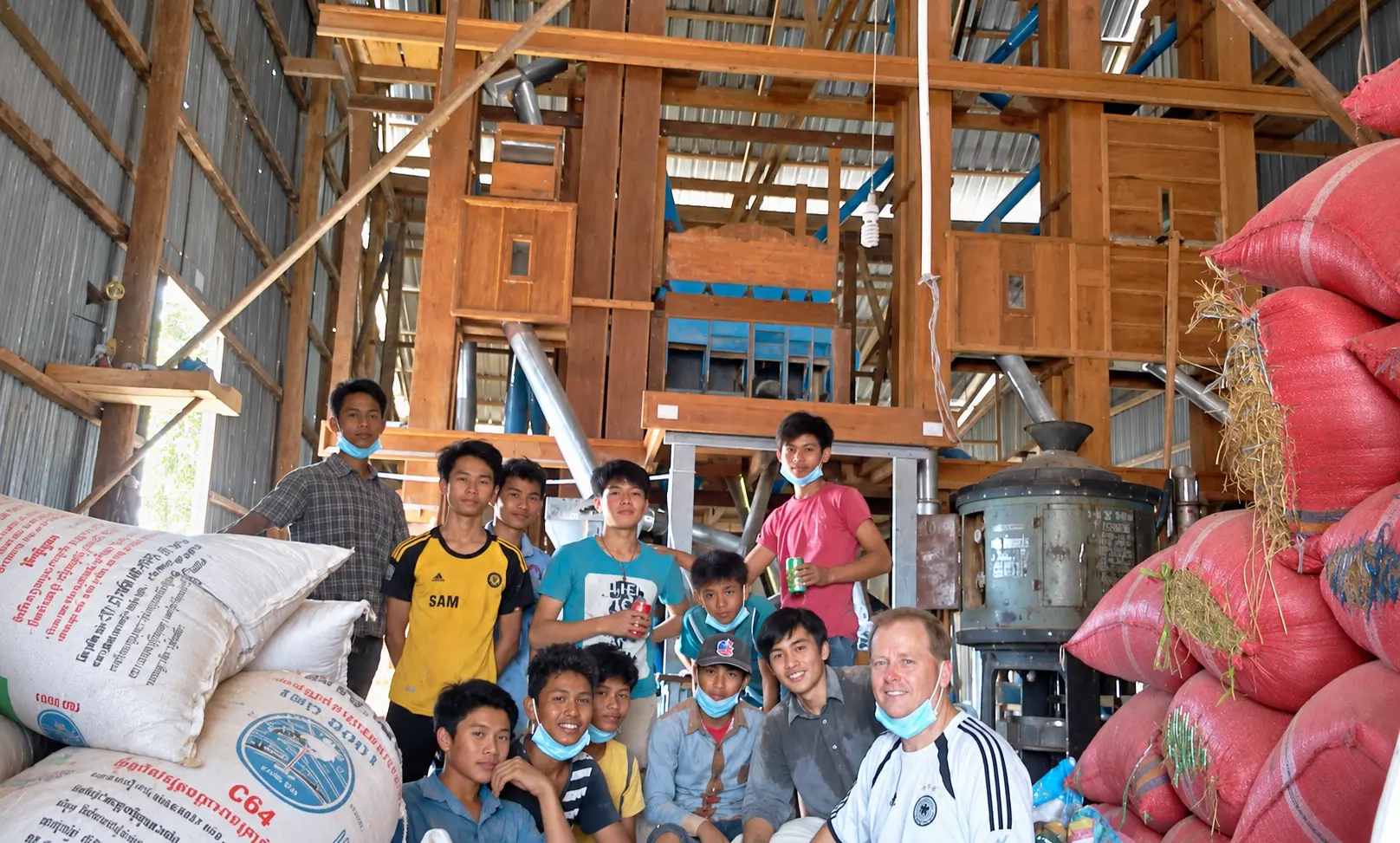
The Cambodian students gathered inside the wooden rice mill they cleaned together
The wooden rice mill, and the group that chose to clean it.

A different kind of lesson

Because we could.

We cleaned an old wooden rice mill. Nobody assigned the work. No prize waited at the end. We saw something useful that needed doing, and we had the hands to do it.

The lesson was all gold: hard work, the joy of achievement, and helping others simply because we could.

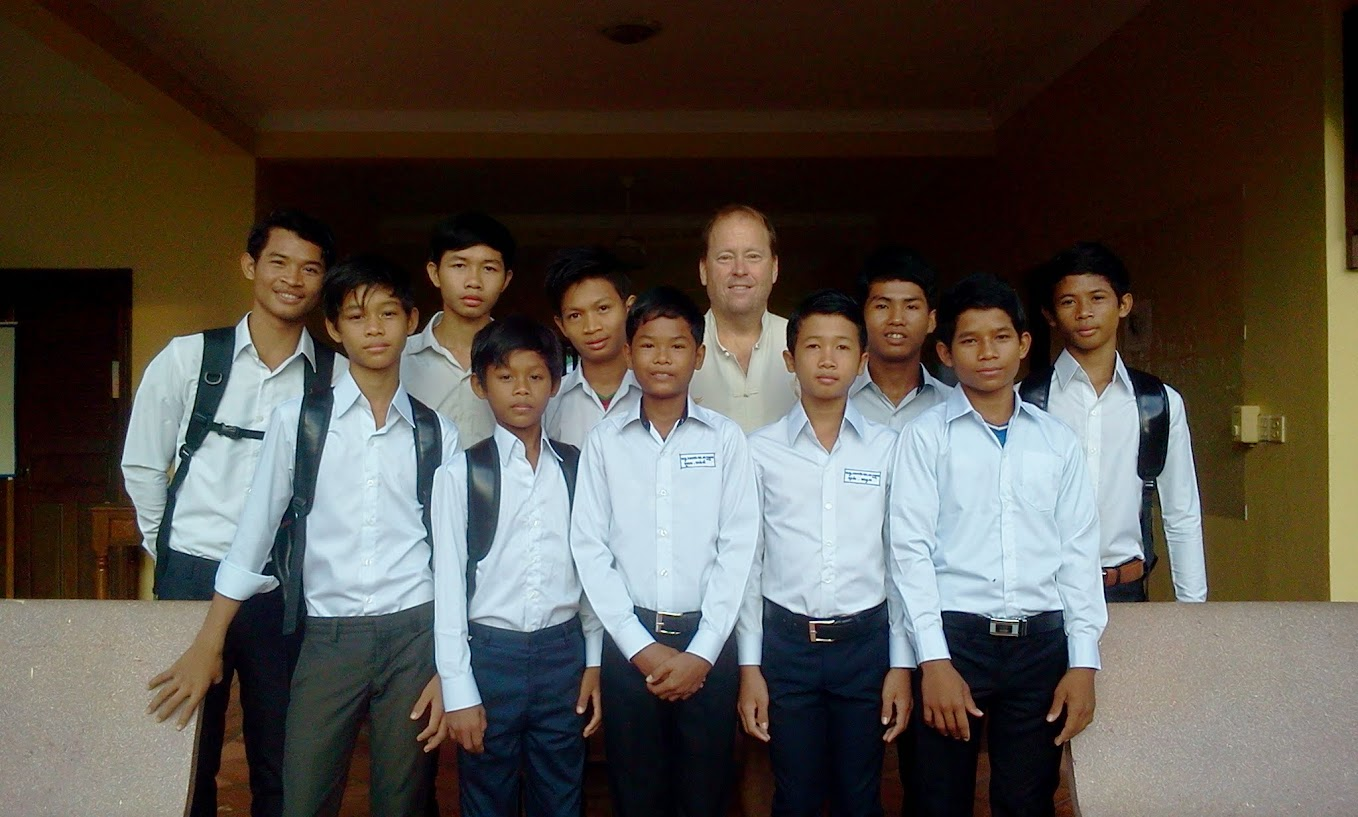
A group of Cambodian students with their teacher
Students in grades six through eleven.
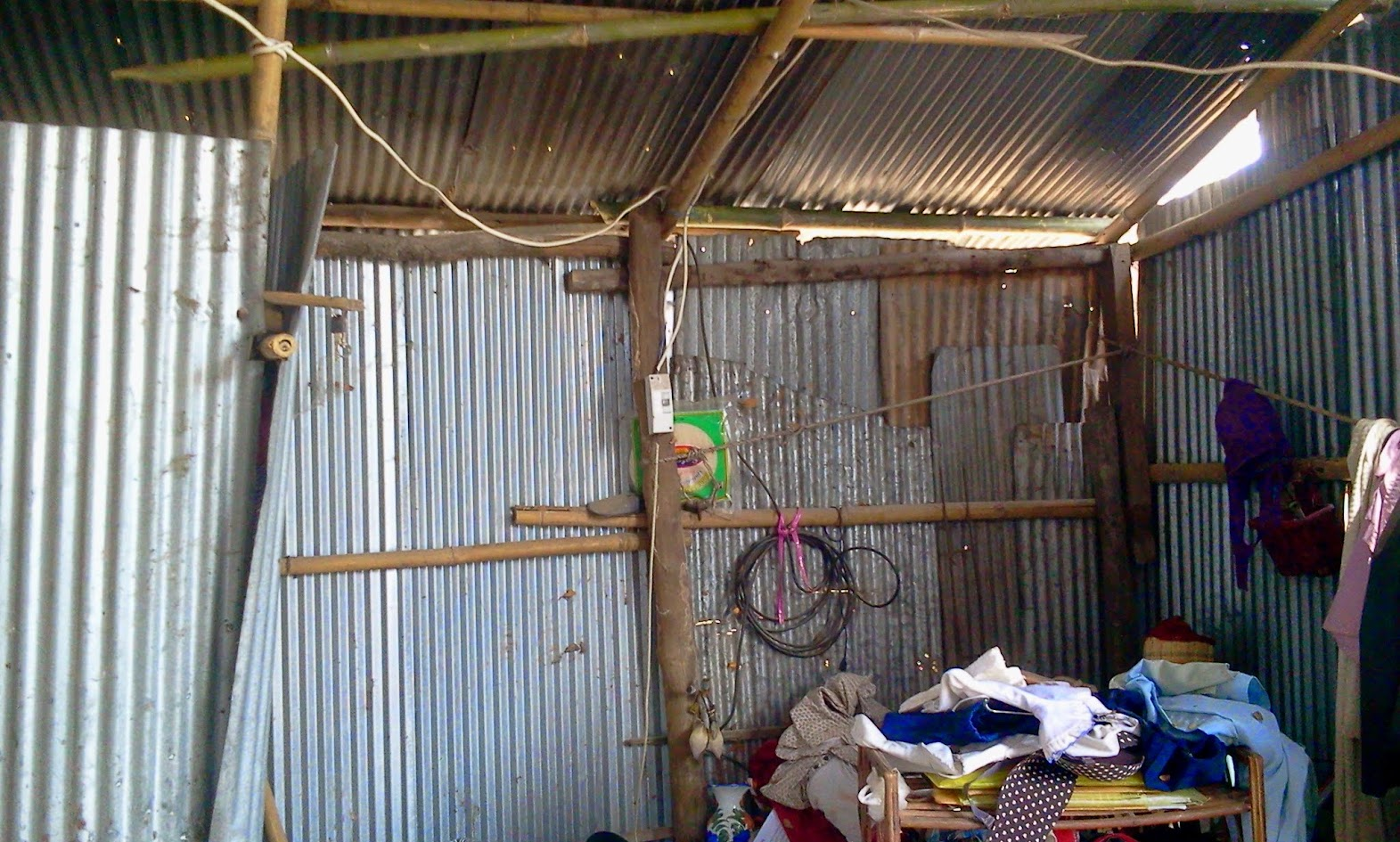
Interior of a typical student's home made from corrugated metal and bamboo
Inside one student’s home. Typical.
10 minutes × 14 days

Every student came from a home without electricity. They attended public school four hours a day, five days a week. None of them, from grades six through eleven, knew the multiplication tables. Ten minutes a day for two weeks was enough for every one of them to master them. They were never incapable. They had simply never been properly taught.

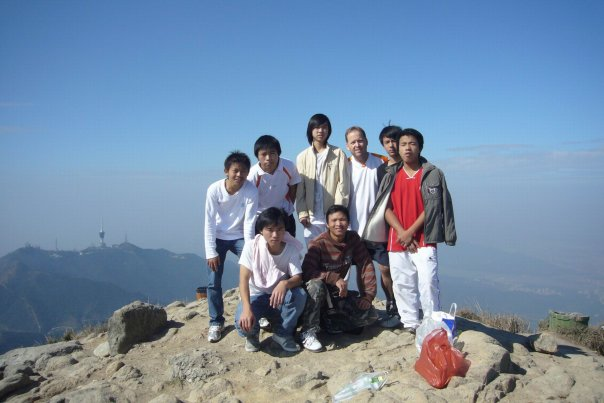
Students and their teacher standing together at the top of a mountain
At the summit. Scott had already climbed a mountain before we ever reached this one.
They did not need a lecture about perseverance. They needed a mountain. Confidence came after accomplishment, not before it.
04 / LOVE EQUALS SACRIFICE

Michael, J.R., and Jay, Cambodia

Generosity is not measured by what remains.

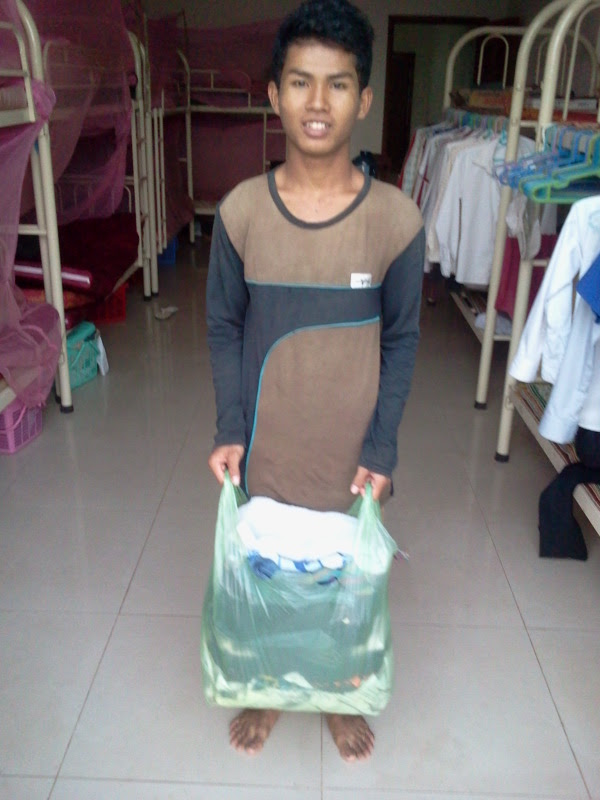
Michael holding a bag containing his clothes

Michael

The clothes in that bag, plus what he was wearing, were all the clothes he owned. Later I saw another young man wearing Michael’s shirt.

Michael did not give from his abundance. He gave from his need. He learned that generosity from his parents. I only had the privilege of praising it.

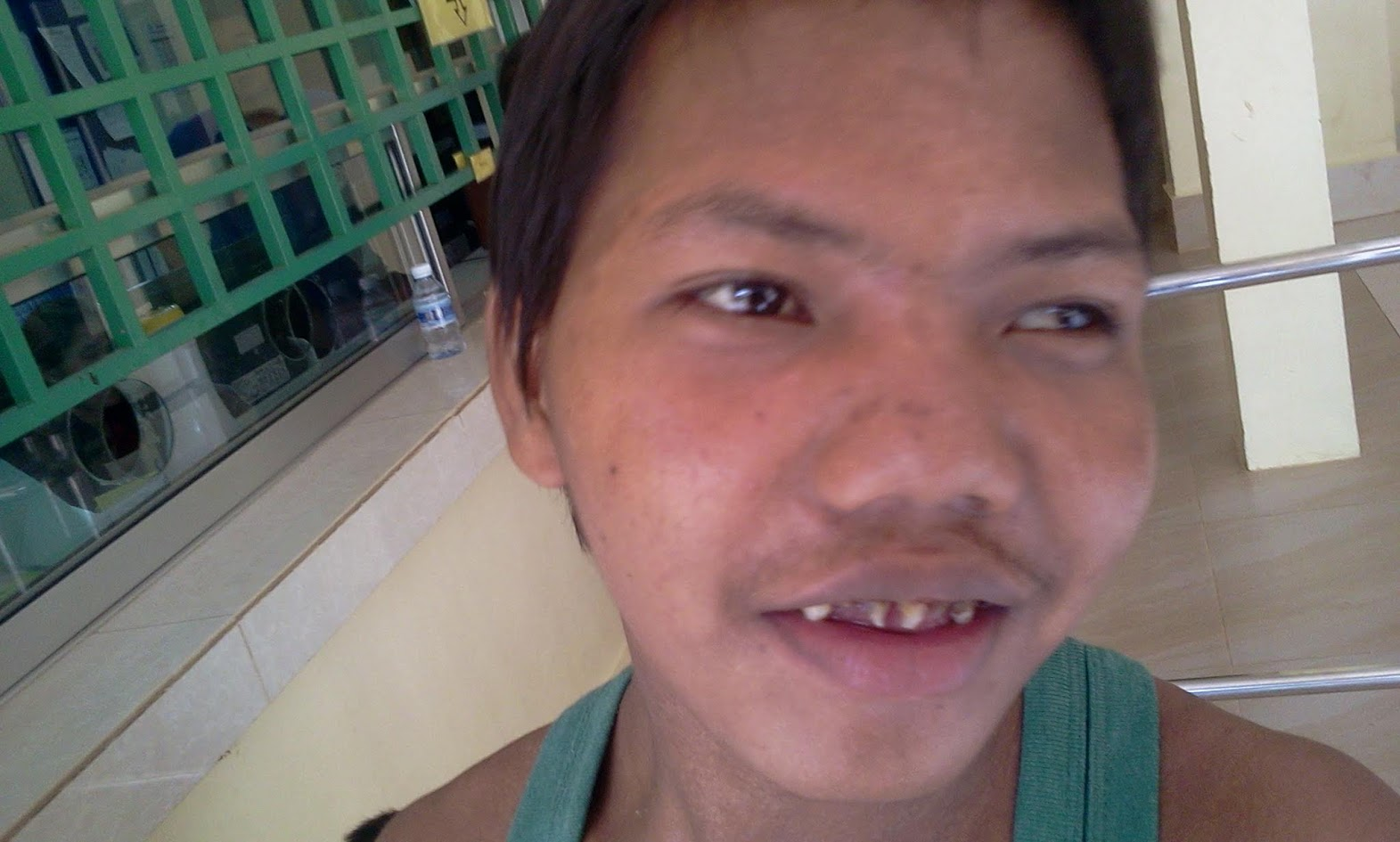
Jay, cleaned and smiling

Jay

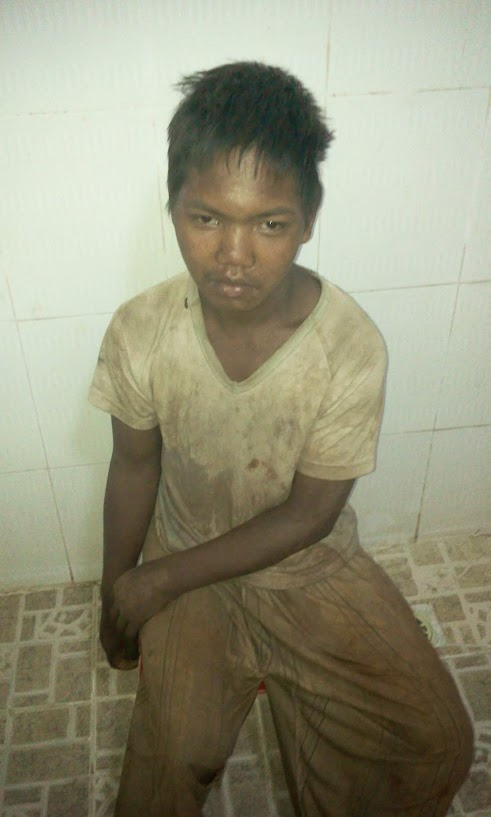
Jay had wandered about five miles from home. When J.R. and I found him, he was severely dehydrated and unable to care for himself. His mother had been searching for him.

The language used to describe Jay has changed. The reality has not. He did not need better language that day. He needed someone to stop and help.

Jay on the day he was found
Jay on the day he was found.
Nash, Jay, and J.R. smiling together
J.R. was there when Jay was found. His help was immeasurable.
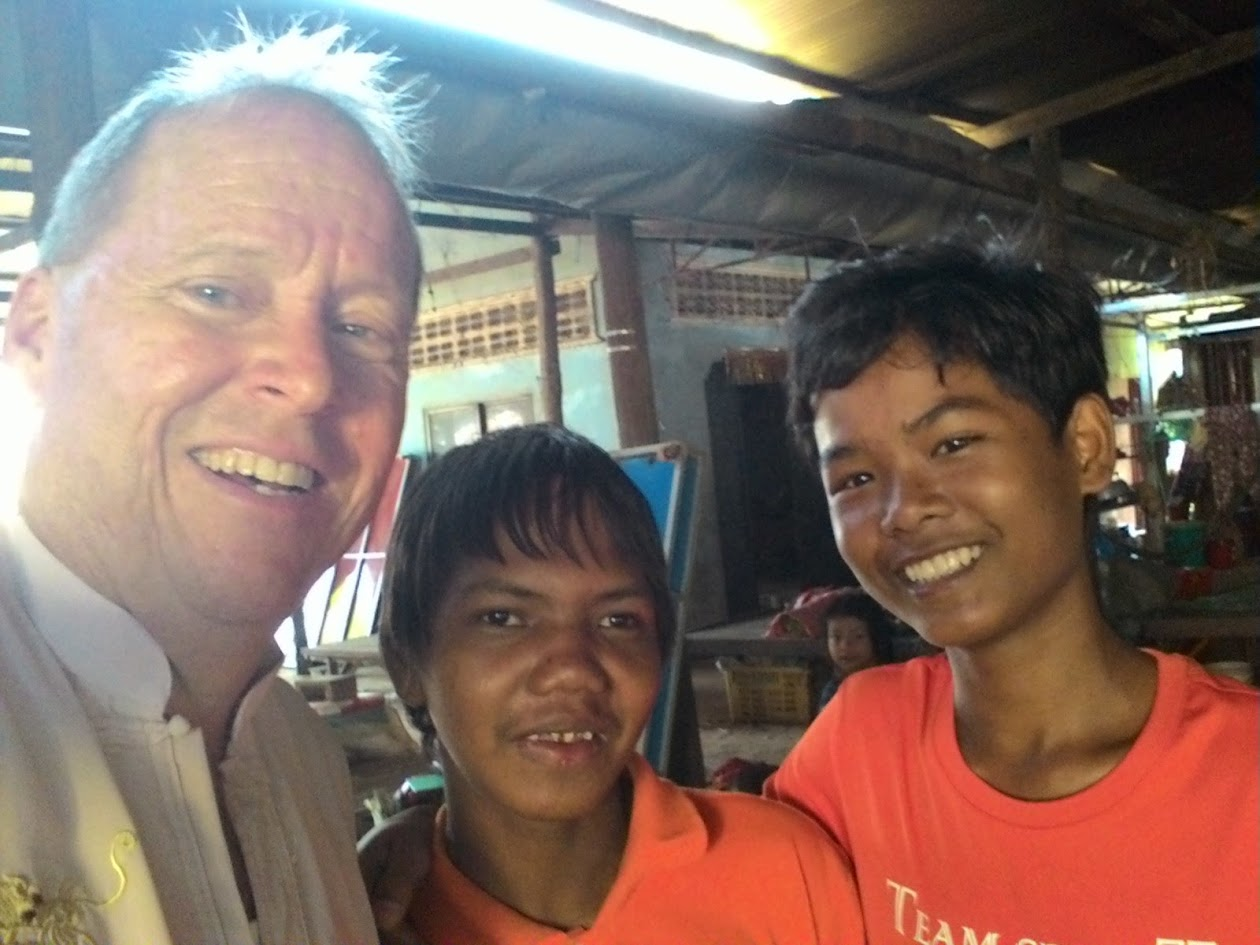
Michael and his younger brother J.R. standing with Nash
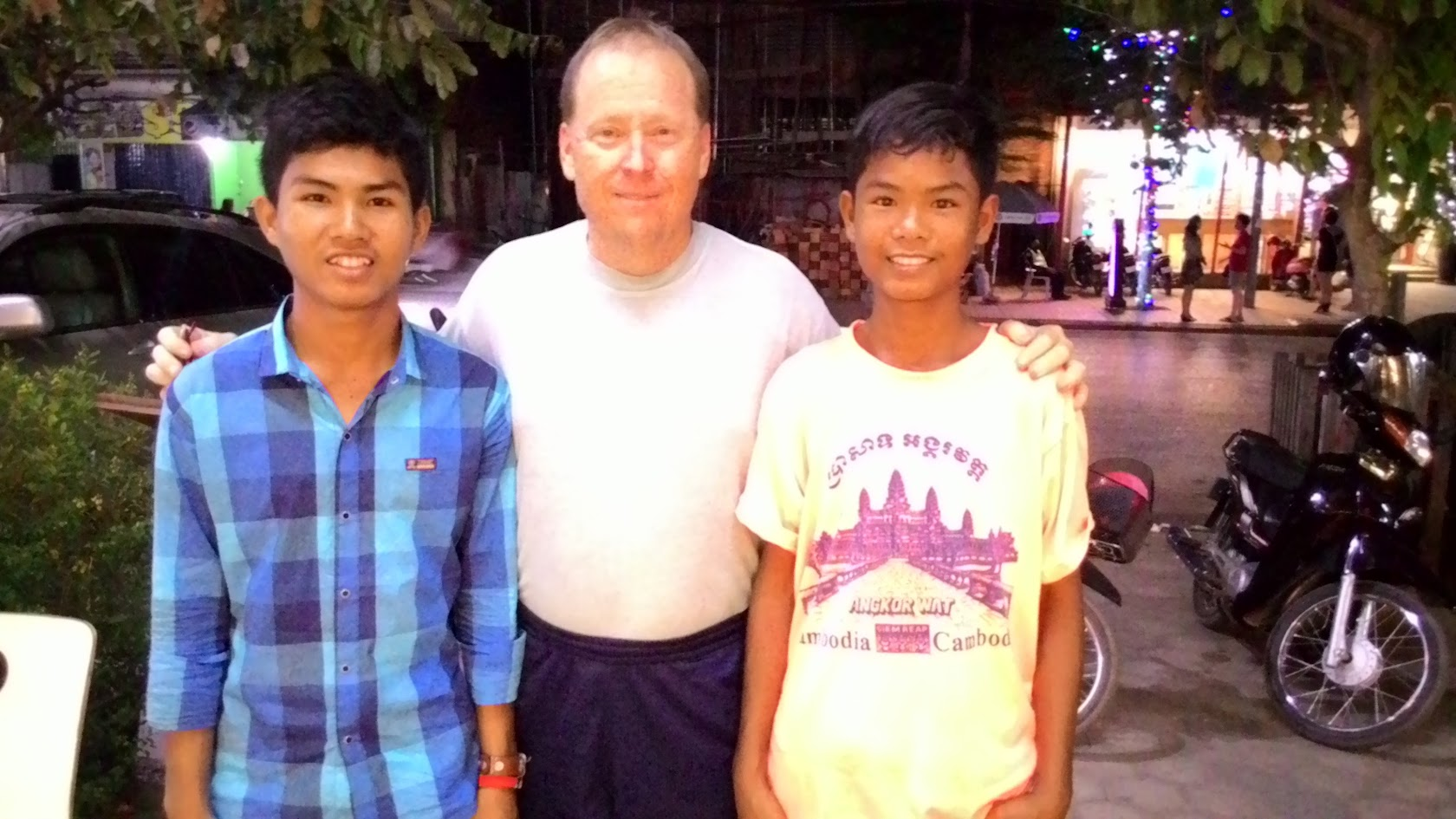
Michael and J.R. Their parents taught them that love equals sacrifice. Their lives proved they understood.
05 / HE WAS THERE

Phoenix, China

His inability to speak never meant he had nothing to say.

I first saw Phoenix lying face down on a sidewalk in Shenzhen. People stepped over him. I’m ashamed to admit, but it’s important that I do, that I also walked around him. He was there the next day, and the next. On the fifth day, a storm was moving in. He was huddled against a planter, shivering.

I was afraid to approach him. He was almost catatonic and could not communicate. When I finally touched his shoulder, expecting a frightened or violent reaction, he hardly moved. I could see that he was kind. Somehow, he could see the same in me.

We brought him home. We bathed him, fed him, cared for him through the night, and walked with him during the day. He learned to use a spoon and wipe a table. He grew strong enough to stand and walk short distances.

Phoenix clean and standing in a home, his right hand visibly contracted
Phoenix at home. His right hand was contracted, one sign of how much care he needed.
He was there. He had always been there. He simply had no way to tell anyone.

About two weeks later, Phoenix was sitting on the little sofa in my office while rain hammered against the building. I began to think about all the years he had lived outside, unable to protect or explain himself. I started to cry.

I walked over and stroked his hair. The tears were still on my cheeks. Phoenix looked at me, and then a single tear ran down his.

Not sobbing. One tear. But it told me everything. He felt the pain, the fear, the years of being ignored, and the kindness now surrounding him. His limitations changed what he could express. They did not change what he was.

Another evening, all the boys were crowded into the living room for a movie. The only place left was beside me. Phoenix stood there and looked at me. He could not ask. I nodded. He sat down, and joy spread across his face. He belonged. He was loved.
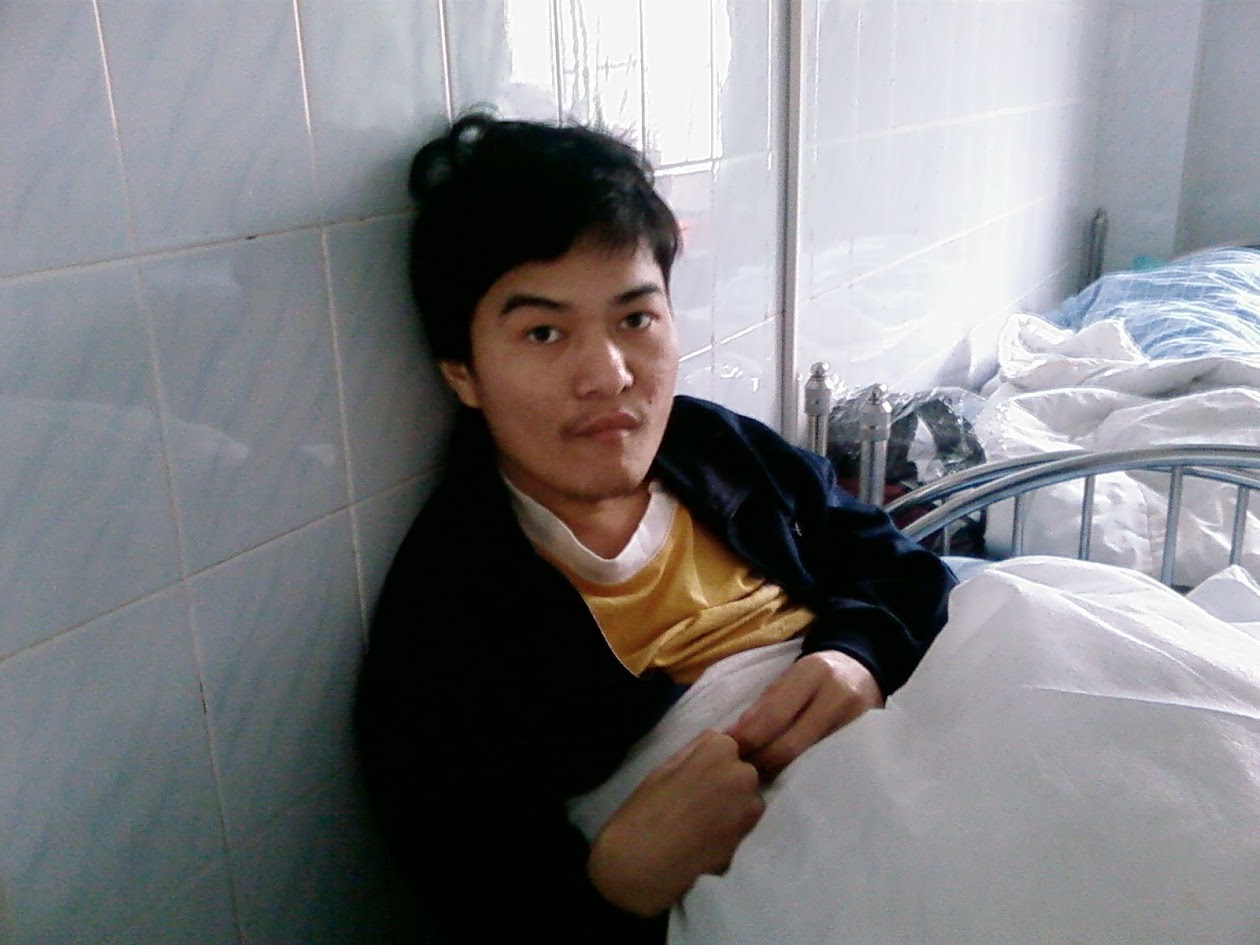
Phoenix in an institutional bed after leaving the home
After Phoenix was taken from the home.

I tried to adopt Phoenix. That effort ended with my detention, deportation, and permanent exclusion from China. Phoenix died on April 14, 2014, before we could be reunited. His life was not a lesson placed here for our benefit. It was a life, fully human, deserving of dignity, belonging, and love.

06 / THE GOLDEN RULE

Sergio

If it were I who needed a kidney.

I became an altruistic, non-directed kidney donor. I knew nothing about the person who would receive it until after surgery.

His name was Sergio. He was thirty-two, a father of three. His kidneys had not produced urine for more than two years. He had been on dialysis for five.

The transplant worked. The kidney began functioning during surgery, and Sergio left dialysis behind. This photograph was taken one year later.

Six months after that, Sergio died. He became gravely ill with a heart virus and went from healthy to gone in less than twelve hours. His immune-suppressing treatment may have increased his vulnerability, though no simple sentence can explain such a loss.

A gift is not made meaningless because it could not defeat death forever.

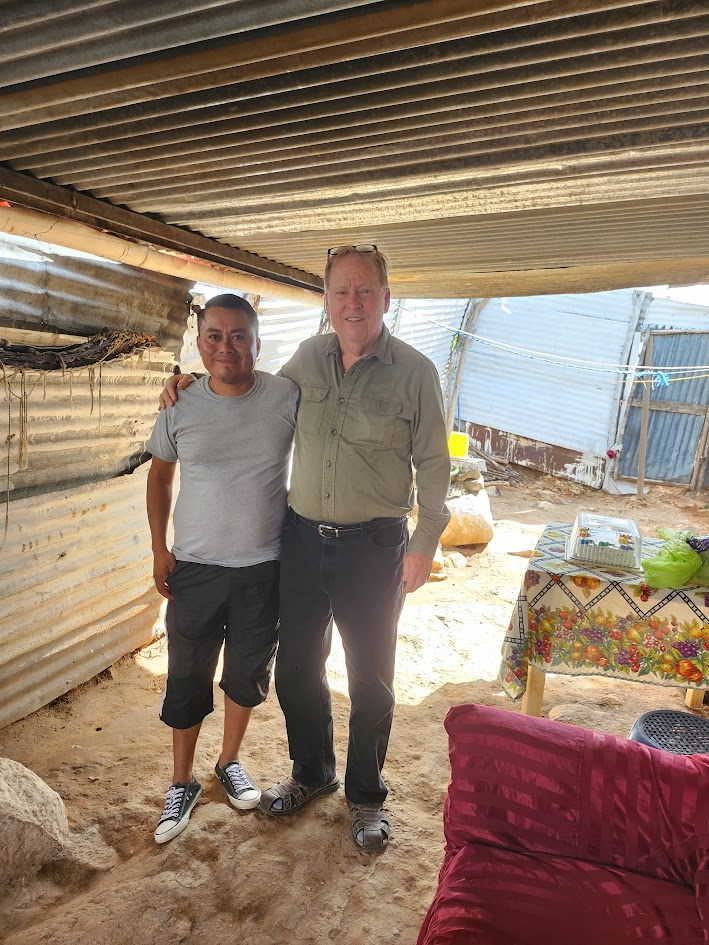
Sergio and his kidney donor standing together one year after the transplant
Sergio and me, one year after the transplant.

I wish I had a hundred spare kidneys. I would donate every one of them. I’d do it again in a heartbeat. No pun intended.

The programs on film

1,000 Days to Educated

The photographs tell part of the story. These films preserve the movement, voices, work, and ordinary days around them.

Cambodia

A musical photo montage from the program. YouTube requires this film to be watched on YouTube.

Learning in practice

Another view of the work and the students.

The answer

Changing just one changes everything.

I cannot help everyone. But that has never been a reason to help no one.